
A Hand Saw Blade is designed to withstand repeated cutting, but its service life depends on more than the quality of the blade itself. Cutting technique, material selection, tooth condition, storage environment, and maintenance habits all influence how long a blade remains effective.
Premature wear often develops gradually. A blade may initially cut smoothly but become slower, require more effort, or produce rougher edges after repeated use. In some cases, the problem comes from improper handling rather than the blade's natural wear.
For applications involving frequent cutting, extending blade life is particularly important. Choosing the right blade and maintaining consistent cutting practices can reduce replacement frequency, improve working efficiency, and deliver more predictable results.
1. Choose the Right Hand Saw Blade for the Material
One of the most effective ways to extend blade life is to select a blade that matches the material being cut. Different materials create different levels of resistance, friction, and stress on the teeth. Using an unsuitable blade can accelerate tooth wear, cause chipping, or even lead to blade failure.
For example, cutting hard materials with a blade designed for softer applications places excessive stress on its cutting edge. Similarly, using an inappropriate tooth configuration may prevent efficient chip removal, increasing friction during cutting.
When selecting a Hand Saw Blade, consider the following factors:
▶ Material hardness: Harder materials generally require cutting teeth with greater hardness and wear resistance.
▶ Material thickness: The tooth pitch should allow sufficient engagement and chip removal during cutting.
▶ Cutting frequency: Frequent or continuous cutting places greater demands on blade durability.
▶ Application requirements: Different cutting tasks may require different balances of cutting speed, flexibility, and edge life.
A suitable blade reduces unnecessary resistance and allows the teeth to perform their intended cutting function. This helps prevent premature wear and makes the cutting process more consistent.
2. Pay Attention to TPI and Tooth Configuration
Teeth Per Inch (TPI) is another important factor affecting blade service life. It determines how closely the teeth are spaced and influences cutting speed, surface quality, and chip removal.
A blade with fewer teeth per inch generally has larger gaps between teeth, allowing it to remove material more quickly in suitable applications. A higher-TPI blade has smaller, more closely spaced teeth, which can produce a smoother cut on thinner materials.
However, neither a higher nor lower TPI automatically means a longer service life.
If the teeth are too coarse for a thin workpiece, individual teeth may experience excessive impact and become damaged. If the teeth are too fine for a thick workpiece, limited chip space can cause material buildup and additional friction.
The key is to match tooth spacing to the material and its thickness. Proper tooth engagement distributes cutting forces more evenly and reduces unnecessary stress on individual teeth.
3. Avoid Excessive Cutting Pressure
Applying excessive pressure is a common reason why a Hand Saw Blade wears out prematurely.
When the blade encounters resistance, pushing harder may seem like a simple way to increase cutting speed. However, excessive force can overload the teeth, increase friction, and place additional stress on the blade body.
A better approach is to maintain steady, controlled pressure and allow the teeth to remove material naturally.
For manual cutting, use smooth, consistent strokes rather than sudden movements or aggressive pushing. Keep the blade aligned with the intended cutting direction and avoid twisting it inside the workpiece.
For blades installed in a compatible saw frame, make sure the blade is secured correctly and has appropriate tension. Insufficient or uneven tension can cause excessive movement, while improper installation may increase stress during cutting.
A blade that requires unusually high cutting pressure may already be dull or unsuitable for the material. Inspecting the blade and checking the application is usually more effective than forcing it through the workpiece.
4. Control Heat and Reduce Friction During Cutting
Heat generated during cutting can gradually affect blade performance, particularly when working with harder materials or performing repeated cutting operations.
Excessive friction accelerates wear on the cutting edges. It can also contribute to tooth damage and reduce the consistency of the cutting process.
Several factors can contribute to excessive heat:
▶ Using a dull or unsuitable blade.
▶ Applying too much cutting pressure.
▶ Allowing chips and debris to accumulate around the cutting area.
▶ Performing continuous cutting without allowing appropriate cooling time.
To reduce these problems, maintain a suitable cutting pace and keep the workpiece stable. Remove accumulated debris when necessary, and use an appropriate cutting lubricant for metal applications where recommended.
It is also important to follow the blade manufacturer's operating recommendations. Different blade materials and cutting applications have different requirements, so a single cutting method may not work equally well for every material.
5. Keep the Blade Clean and Inspect Its Teeth Regularly
Dirt, metal particles, wood fibers, and other debris can accumulate around the teeth during repeated use. If these materials are not removed, they may interfere with cutting efficiency and contribute to additional friction.
After use, clean the blade carefully to remove accumulated debris. For metal-cutting applications, pay particular attention to particles lodged between the teeth.
Regular inspection is equally important. Look for flattened teeth, chipped cutting edges, corrosion, cracks, or visible bending. These signs may indicate that the blade is approaching the end of its useful life or has been subjected to unsuitable cutting conditions.
A damaged blade should not continue to be used simply because it can still cut through the material. Continuing to operate with damaged teeth may produce inconsistent results and increase the risk of blade failure.
6. Store Hand Saw Blades Properly
Storage conditions can have a significant influence on blade longevity, especially when blades are not used every day.
Moisture is one of the main causes of corrosion. Rust can damage the blade surface and affect the cutting edges, reducing performance even before the blade returns to service.
To protect unused and partially used blades, follow these practices:
1. Store blades in a dry, well-ventilated environment.
2. Keep them away from moisture, corrosive chemicals, and excessive humidity.
3. Avoid placing heavy objects on blades, which may cause bending or deformation.
4. Use protective packaging or dedicated storage holders to prevent accidental tooth damage.
Proper storage is particularly important for maintaining the condition of replacement blades held in inventory. A blade that is manufactured to consistent standards can still deteriorate if it is exposed to unsuitable storage conditions.
7. Choose a Durable Blade with the Right Material and Construction
Although maintenance and operating techniques are essential, the blade's original material and construction also determine how well it withstands repeated cutting.
Different blade materials offer different combinations of hardness, flexibility, and wear resistance. High-quality cutting teeth need sufficient hardness to maintain a sharp edge, while the blade body must withstand repeated mechanical stress without becoming brittle.
This is one reason why Bi-Metal Hand Saw Blades are widely used in demanding cutting applications.
A Bi-Metal blade combines a flexible spring-steel body with hard, high-speed steel cutting teeth. This construction provides a balance between flexibility and cutting-edge durability.
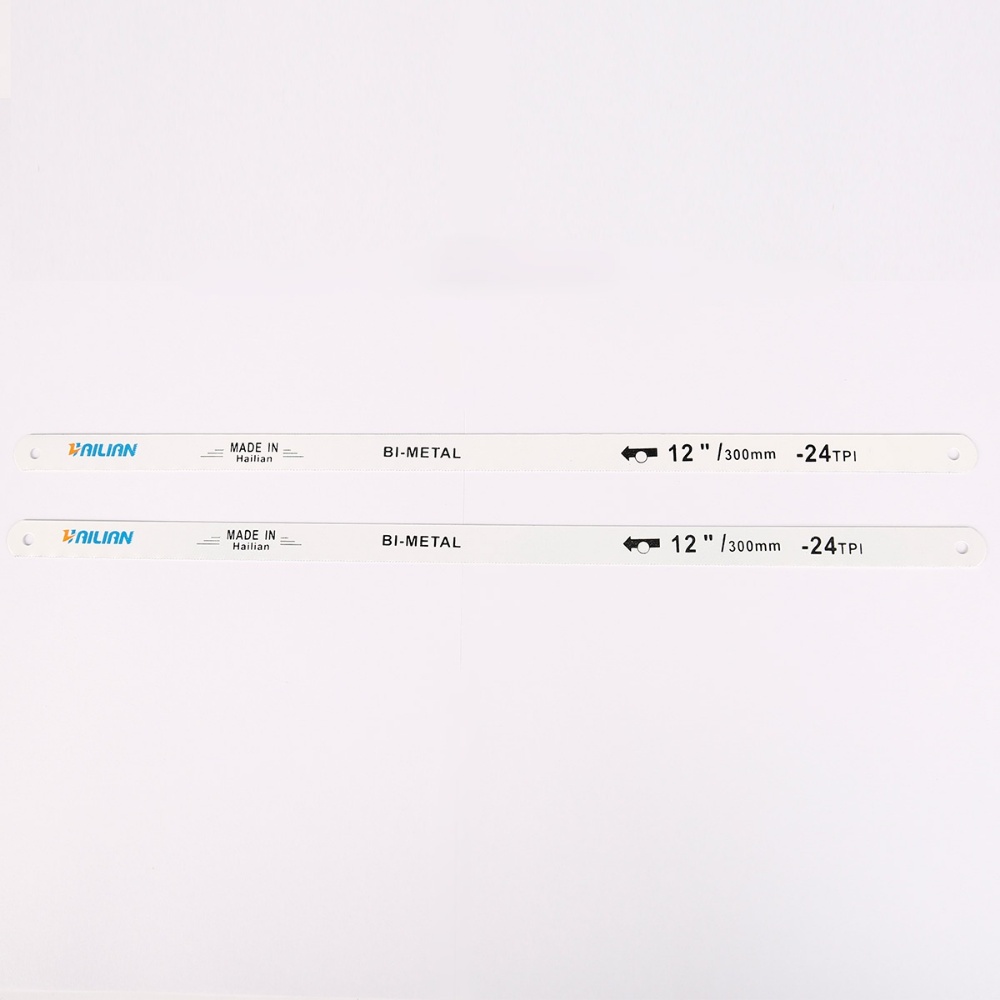
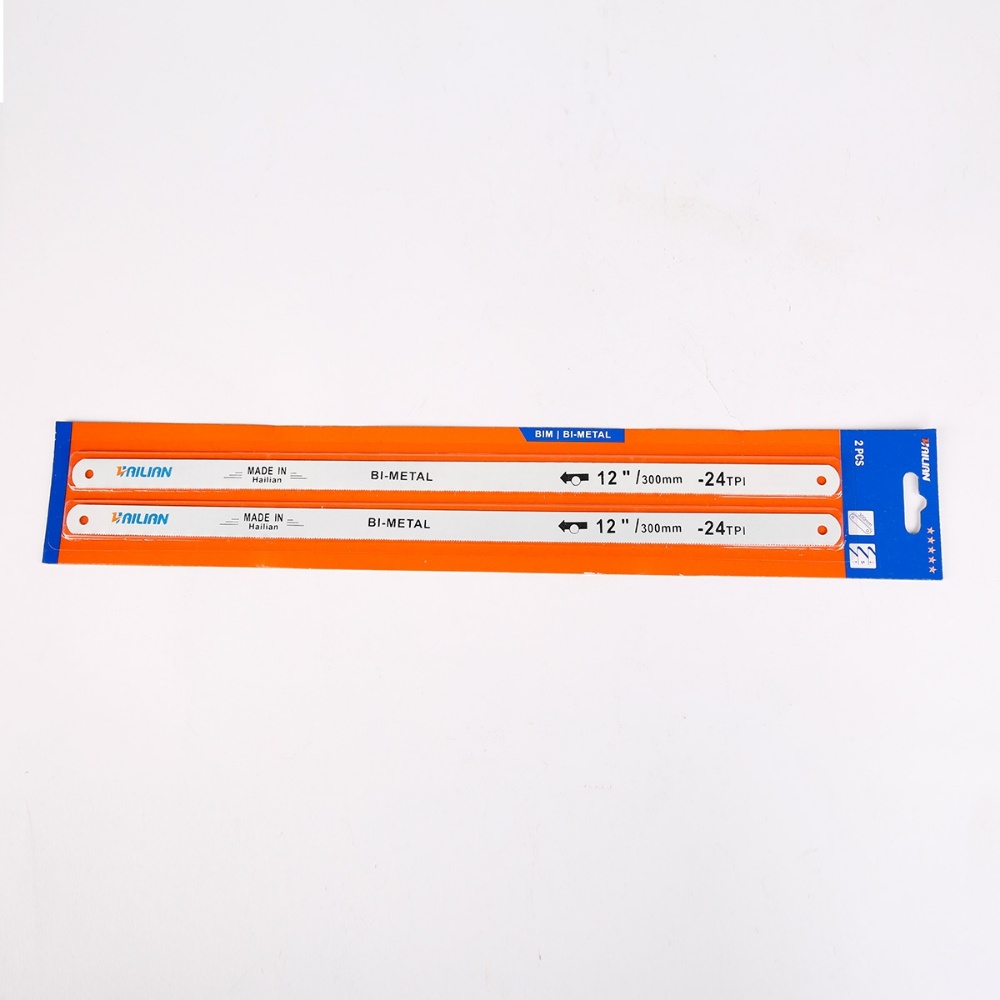
Hailian's 12-inch Bi-Metal Hand Saw Blade is designed around this combination. Its product features include super-hard high-speed steel teeth for a sharp, long-lasting cutting edge and a flexible body with spring-back characteristics. According to the product specifications, its Bi-Metal construction can last up to 10 times longer than conventional carbon steel blades under suitable conditions.
The product features include:
▶ Bi-Metal construction for flexibility and durability.
▶ Super-hard high-speed steel teeth.
▶ Flexible spring-back body.
▶ Shatter-resistant design for demanding applications.
▶ Suitable for cutting a wide range of wood-like materials.
The product is also customizable, providing flexibility for different application requirements. For operations where blades experience repeated bending stress or demanding cutting conditions, the combination of a flexible body and wear-resistant teeth offers a practical advantage.
When evaluating a Hand Saw Blade, it is worth considering not only its initial cutting performance but also how consistently it maintains that performance over repeated use. Material selection and manufacturing quality can make a noticeable difference in long-term operating costs.
8. Know When to Replace a Worn Hand Saw Blade
Extending blade life does not mean using the same blade indefinitely. Every blade eventually reaches a point where replacement is more practical and safer than continued use.
Some common signs indicate that a blade should be replaced:
| Wear Condition | Possible Impact |
| Dull or rounded teeth | Increased cutting resistance and slower performance |
| Chipped or missing teeth | Uneven cutting and reduced efficiency |
| Bent blade body | Poor alignment and unstable cutting |
| Cracks or structural damage | Increased risk of blade failure |
| Significant corrosion | Reduced blade integrity and cutting performance |
A useful maintenance habit is to inspect the blade before and after demanding cutting operations. This makes it easier to identify gradual wear and replace damaged blades before they affect the quality of subsequent work.